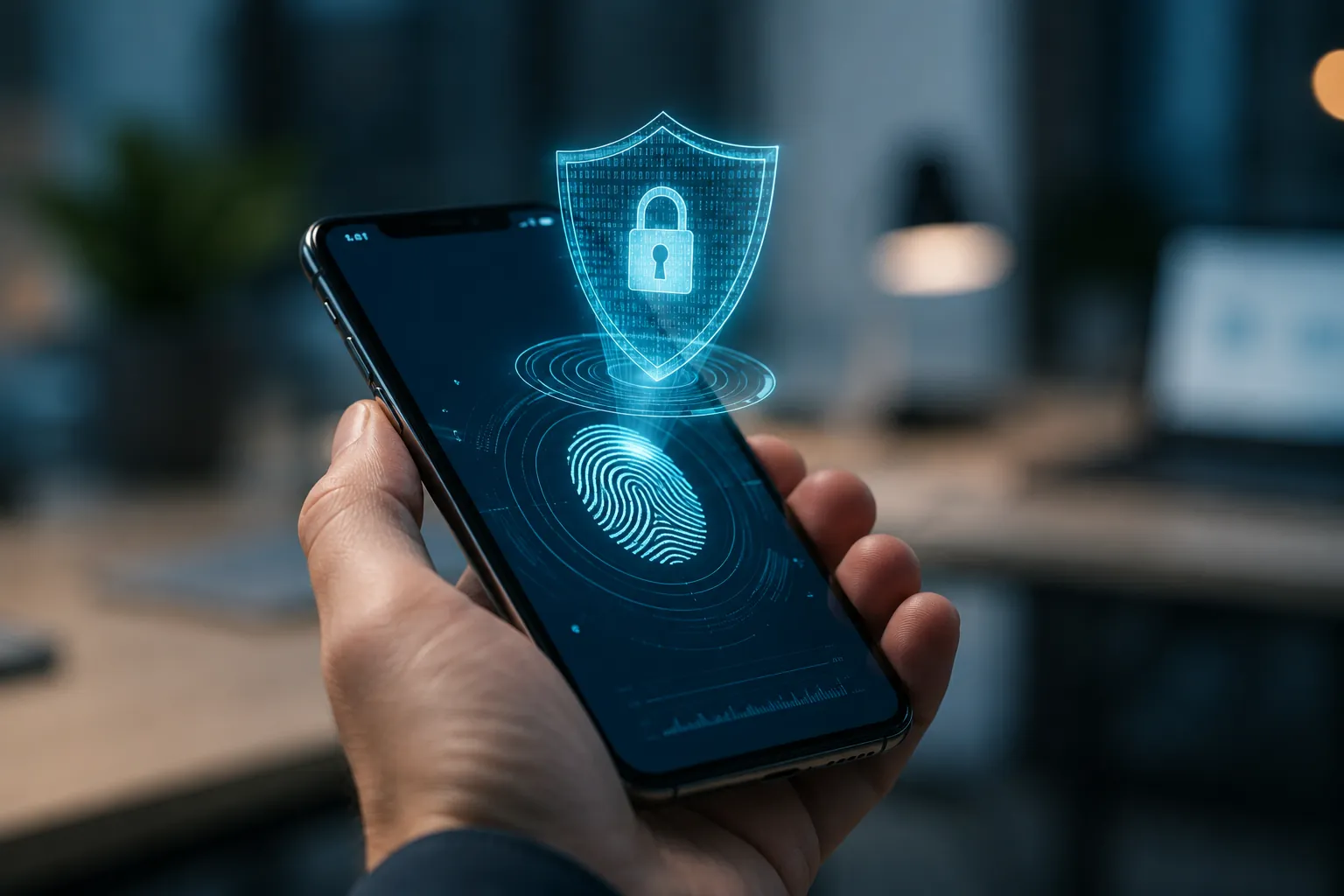
Biometric privacy means using biometric authentication (fingerprint, face, iris) while protecting the biometric data from misuse, breaches, and regulatory violations. Unlike passwords, biometric data cannot be changed if compromised. Privacy-preserving approaches store biometric templates locally on user devices, use cancelable biometrics for centralized systems, and implement liveness detection to prevent spoofing — ensuring biometric convenience without biometric risk.
Why Biometrics Are Different from Passwords
A password can be changed after a breach. A fingerprint cannot. Biometric data is permanently tied to the individual. If a centralized biometric database is compromised, every enrolled user is permanently at risk. This fundamental difference makes biometric data a high-sensitivity data category under privacy regulations worldwide.
The Regulatory Landscape
GDPR classifies biometric data as a special category requiring explicit consent and strict purpose limitation. Illinois BIPA requires informed written consent and prohibits biometric data sale. India's DPDP Act applies to biometric processing of Indian residents. China's PIPL restricts biometric data collection. Non-compliance carries severe penalties: GDPR fines up to 4% of global revenue, BIPA statutory damages of $1,000-$5,000 per violation.
Key Challenges
Centralized Biometric Databases
Many biometric systems store templates in a centralized database — a high-value target for attackers. A breach exposes biometric data that cannot be revoked or reset. Centralized storage also creates surveillance risk: biometric databases can be repurposed for tracking, profiling, or unauthorized identification.
Spoofing and Presentation Attacks
Without liveness detection, biometric systems are vulnerable to presentation attacks: photographs for facial recognition, silicone molds for fingerprints, recorded iris scans. Liveness detection distinguishes between live biometric presentations and artificial replicas.
Purpose Limitation
Biometric data collected for access control may be repurposed for attendance tracking, productivity monitoring, or surveillance — exceeding the original consent. Purpose limitation is a core privacy principle but difficult to enforce technically without architectural controls.
Recommended Privacy-Preserving Framework
1. On-Device Template Storage
Store biometric templates locally on user devices (smartphones, laptops, access control cards with secure elements). Templates never leave the device. Authentication happens locally — the server receives a cryptographic proof of authentication, not the biometric data itself. This eliminates centralized biometric database risk entirely.
2. Cancelable Biometrics for Centralized Systems
When centralized storage is unavoidable (large-scale access control), use cancelable biometrics: apply a one-way transformation to biometric data before storage. The transformed template cannot be reversed to the original biometric. If compromised, the transformation is changed and a new template is enrolled — revoking the compromised data.
3. Liveness Detection
Deploy liveness detection on all biometric readers: depth sensing for facial recognition, pulse detection for fingerprint readers, pupil response for iris scanners. Liveness detection prevents presentation attacks (photos, molds, recordings) and ensures the biometric is from a live person at the point of authentication.
4. Purpose Limitation by Design
Architect biometric systems to enforce purpose limitation: separate access control biometrics from attendance biometrics. Different consent flows for different purposes. Technical controls that prevent cross-purpose data sharing. Audit logs that track every biometric data access and its stated purpose.
5. Consent and Transparency
Implement informed consent: explain what biometric data is collected, how it is stored, who has access, how long it is retained, and how to withdraw consent. Provide alternatives for individuals who decline biometric authentication. Document consent records for regulatory compliance.
| Aspect | Centralized Biometric DB | Privacy-Preserving Biometrics |
|---|---|---|
| Template Storage | Central server/database | On-device secure element |
| Breach Impact | All users permanently compromised | No centralized data to breach |
| Spoofing Protection | Basic matching | Liveness detection + anti-spoofing |
| Revocability | Not revocable | Cancelable biometrics or re-enrollment |
| Surveillance Risk | High — tracking/profiling possible | Minimal — data stays on device |
| Regulatory Compliance | Complex, high-risk | Aligned with GDPR/BIPA/DPDP |
Centralized vs. privacy-preserving biometric approaches
Practical Recommendations
- Prioritize on-device biometric storage using device secure elements (iOS Secure Enclave, Android StrongBox, Windows Hello).
- Deploy liveness detection on all biometric readers to prevent presentation attacks.
- Implement cancelable biometrics for any centralized biometric storage requirement.
- Enforce purpose limitation with technical controls — separate access control from attendance from surveillance.
- Provide non-biometric authentication alternatives for individuals who decline biometric enrollment.