Sustainable IT aligns technology operations with environmental responsibility by measuring energy consumption and carbon emissions across infrastructure, optimizing workloads for efficiency, selecting cloud regions powered by renewable energy, extending hardware lifecycles through refurbishment, and implementing responsible e-waste disposal. It reduces both carbon footprint and operational costs.
Why Sustainable IT Matters Now
IT infrastructure accounts for 2-4% of global carbon emissions — comparable to the aviation industry. Data centers consume approximately 1-2% of global electricity. As organizations grow their digital footprint, their environmental impact grows proportionally. Regulatory pressure (EU CSRD, SEC climate disclosure), customer expectations, and ESG investment criteria are making sustainable IT a business requirement, not a nice-to-have.
The Three Scope Model for IT
Scope 1: Direct emissions from owned infrastructure (generators, on-premise data centers). Scope 2: Indirect emissions from purchased electricity (cloud computing, colocation, office power). Scope 3: Value chain emissions (hardware manufacturing, supply chain, employee travel). Most IT organizations can directly influence Scope 2 and indirectly influence Scope 3.
Key Challenges
Measurement Complexity
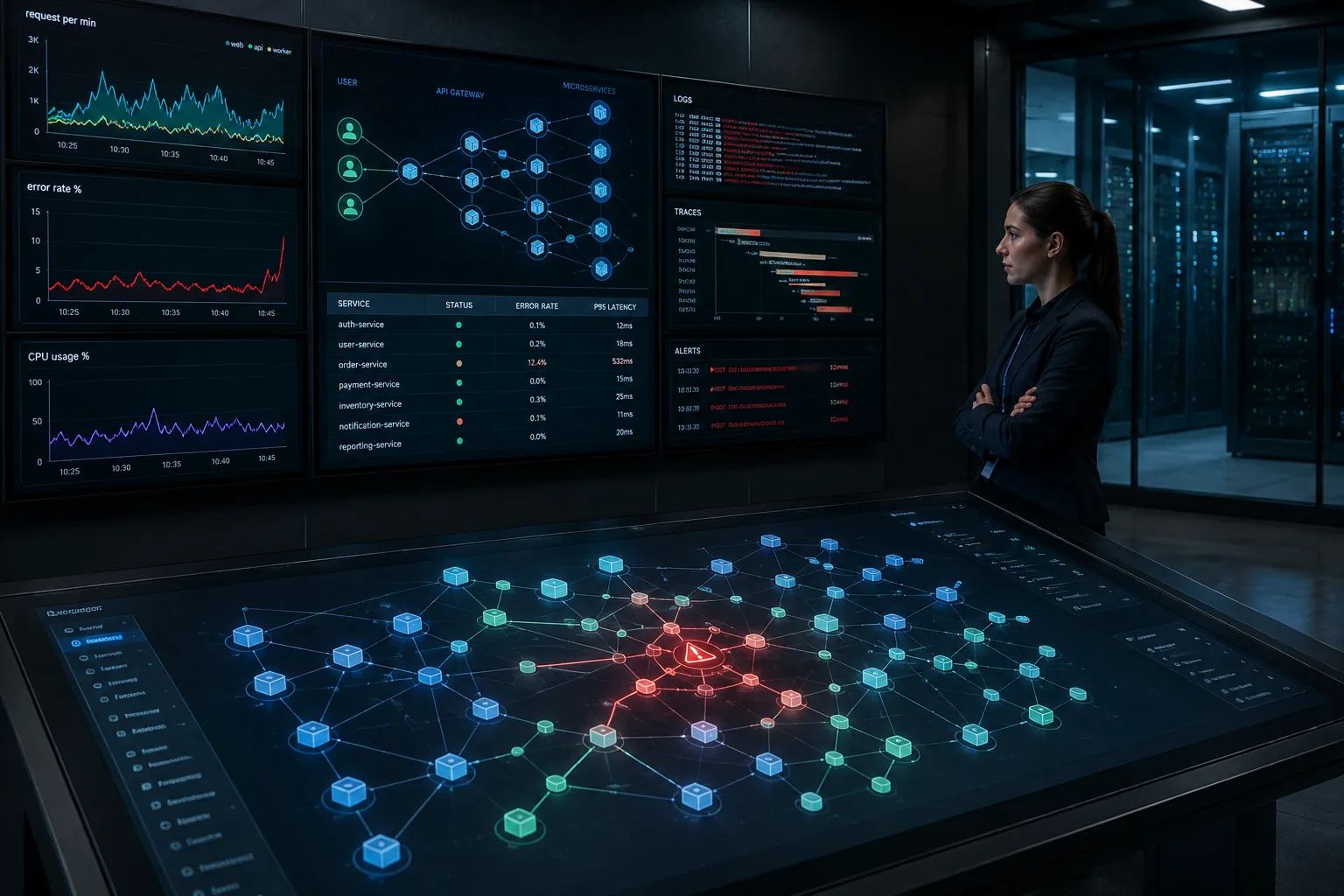
Carbon measurement requires granular data: power consumption per server, PUE (Power Usage Effectiveness) for data centers, carbon intensity per cloud region, and workload-level energy attribution. Most organizations lack this instrumentation. You cannot optimize what you do not measure.
Cloud Carbon Opacity
Cloud providers report aggregate carbon data but rarely provide per-workload carbon intensity. Selecting the right region matters — a workload running in a Nordic region powered by hydroelectric has 10x lower carbon than the same workload in a coal-powered region. But multi-region deployment adds complexity.
Hardware Lifecycle Tension
Frequent hardware refresh improves performance and efficiency but increases manufacturing emissions and e-waste. Extending server lifecycles from 3 to 5 years reduces Scope 3 emissions significantly, but requires careful performance monitoring and proactive maintenance.
Recommended Sustainability Framework
1. Carbon Measurement and Baseline
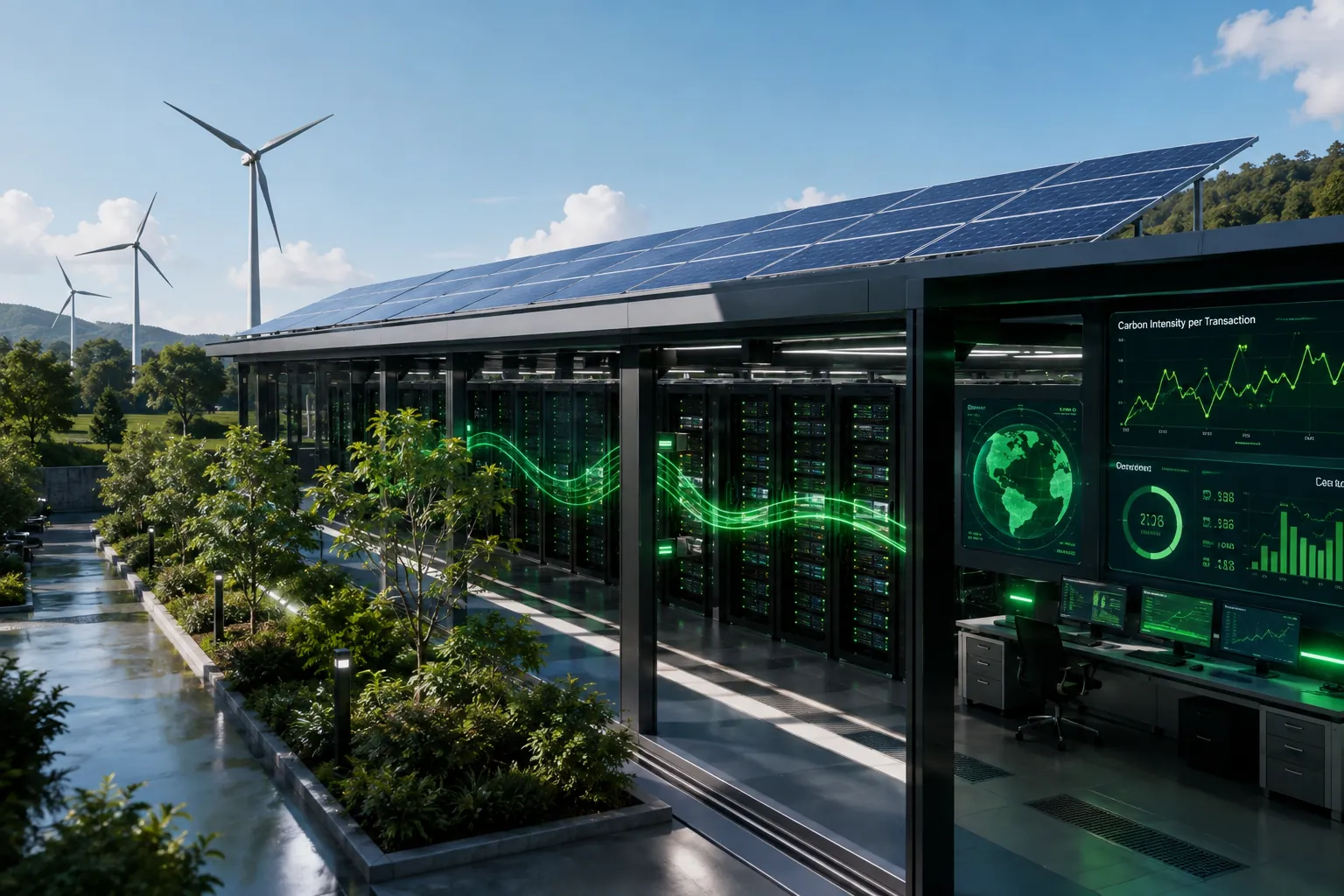
Instrument infrastructure for energy measurement: smart PDUs for on-premise, cloud provider carbon APIs for cloud, and workload attribution models. Calculate Scope 2 emissions using location-based and market-based methods. Establish a baseline carbon intensity metric: kg CO2e per transaction, per user, or per workload.
2. Green Cloud Region Selection
Map cloud regions by carbon intensity using provider sustainability data (Azure Emissions Impact Dashboard, AWS Customer Carbon Footprint Tool, Google Carbon Footprint). Select lowest-carbon regions for non-latency-sensitive workloads. Use carbon-aware scheduling to run batch workloads during low-carbon periods.
3. Code and Architecture Efficiency
Optimize code for energy efficiency: reduce unnecessary computation, optimize database queries, implement caching, and right-size infrastructure. A more efficient application uses less compute, which uses less energy. Sustainable software engineering is also cost-efficient software engineering.
4. Hardware Lifecycle Extension
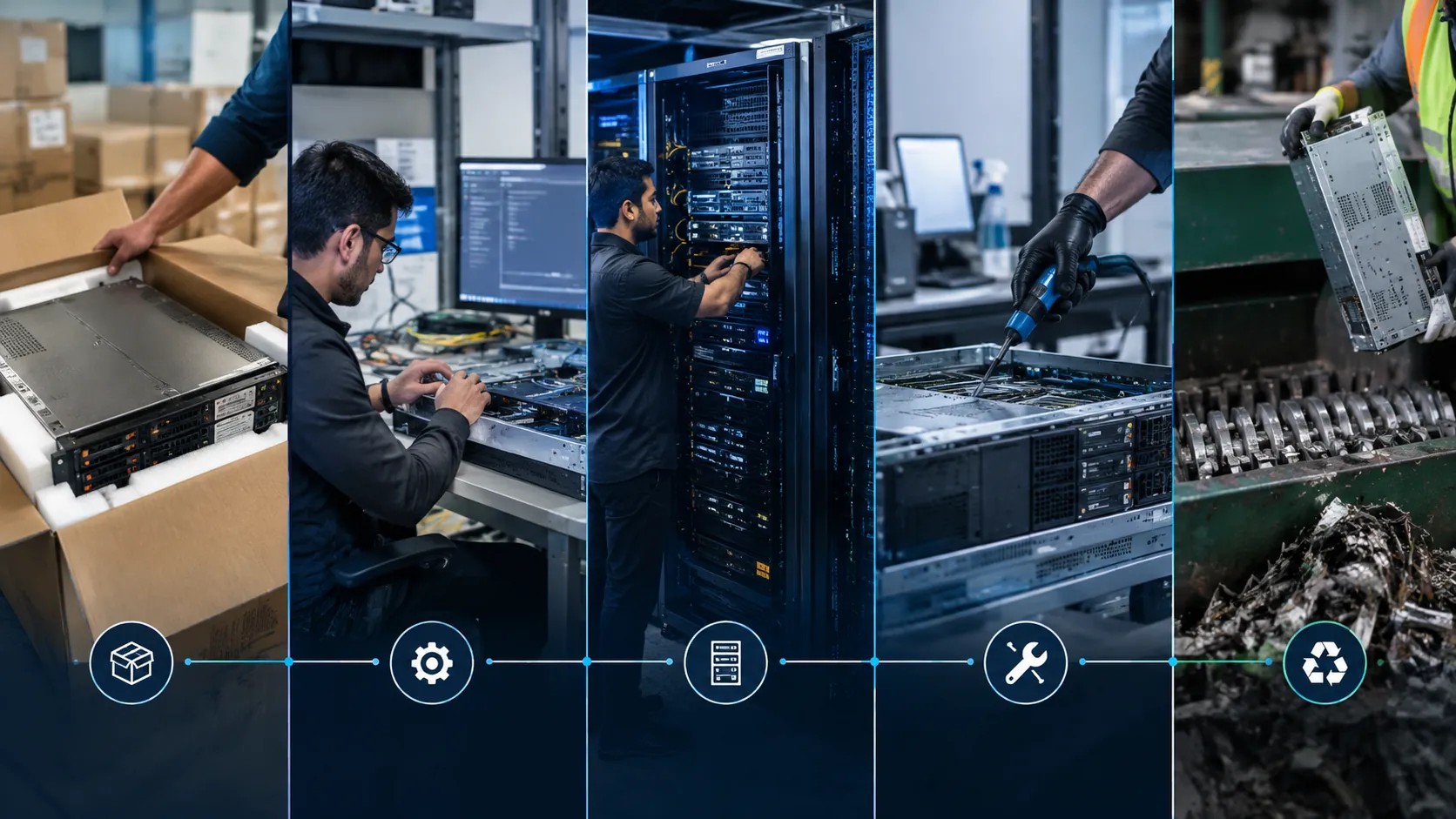
Extend server and network equipment lifecycles from 3 to 5 years through preventive maintenance, component upgrades (RAM, SSD), and firmware optimization. When replacement is necessary, prioritize refurbished equipment. Implement certified e-waste disposal (R2 or e-Stewards) for end-of-life hardware.
5. Sustainability Reporting
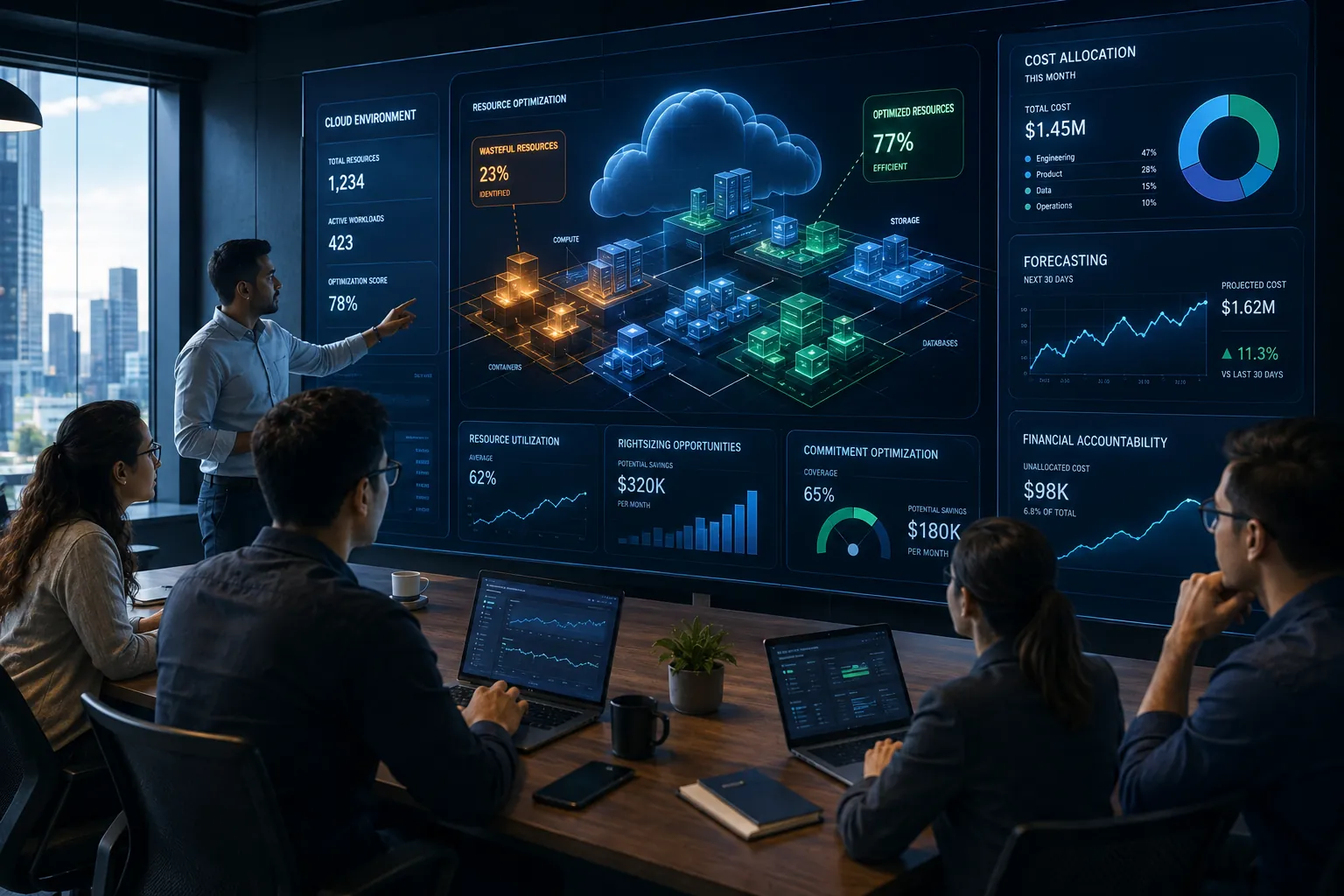
Report carbon metrics alongside financial metrics: monthly carbon intensity trends, reduction targets, and progress toward net-zero goals. Integrate carbon data into FinOps dashboards so engineering teams see the environmental cost of their infrastructure decisions alongside the financial cost.
| Action | Carbon Impact | Cost Impact |
|---|---|---|
| Cloud region optimization | 30-50% Scope 2 reduction | Neutral or savings |
| Hardware lifecycle extension (3→5yr) | 20-30% Scope 3 reduction | Significant savings |
| Code efficiency optimization | 10-25% workload reduction | Reduced cloud costs |
| Server consolidation/virtualization | 40-60% energy reduction | Infrastructure savings |
| Renewable energy procurement | Up to 100% Scope 2 neutral | Premium 5-15% |
| E-waste certified disposal | Prevents toxic landfill | Minimal cost |
Sustainable IT actions with dual carbon and cost benefits
Practical Recommendations
- Establish carbon baseline: measure Scope 2 emissions from IT infrastructure using provider carbon APIs.
- Select green cloud regions for non-latency-sensitive workloads — prioritize hydro, wind, and solar-powered regions.
- Extend hardware lifecycles to 5 years through preventive maintenance and component upgrades.
- Implement carbon-aware workload scheduling for batch processing and non-urgent computations.
- Report carbon intensity metrics monthly alongside financial and operational metrics.